
Key Takeaways
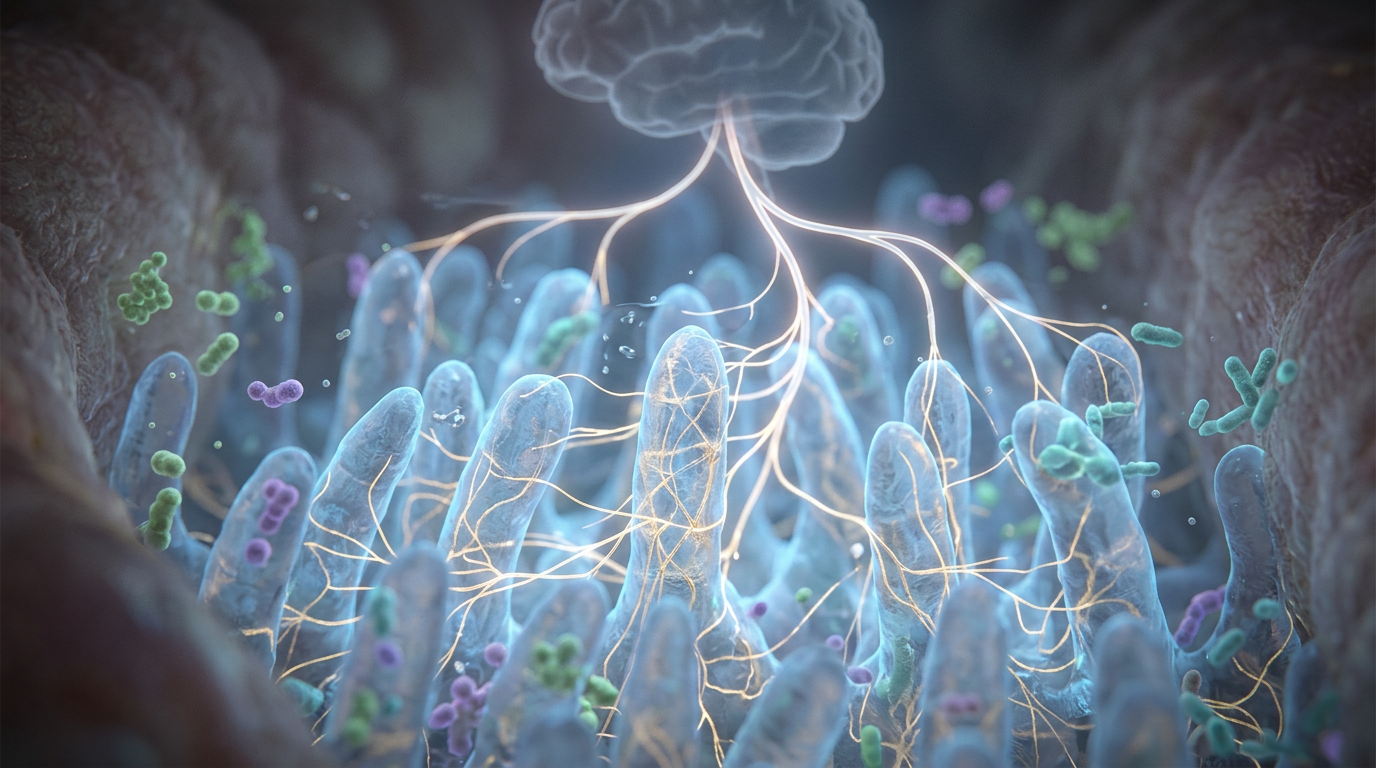
- The gut’s enteric nervous system contains millions of neurons that communicate directly with the brain through the vagus nerve.
- Gut bacteria synthesize approximately 90% of the body’s serotonin and produce GABA, directly influencing mood and anxiety levels.
- Dysbiosis disrupts neurotransmitter production, creating a bidirectional cycle linking poor gut health to depression and anxiety disorders.
- Greater microbiome diversity correlates with improved mental health outcomes and reduced rates of psychological conditions.
- Consuming probiotic and prebiotic-rich foods while minimizing processed foods strengthens gut-brain communication and supports psychological well-being.
Understanding the Gut-Brain Axis
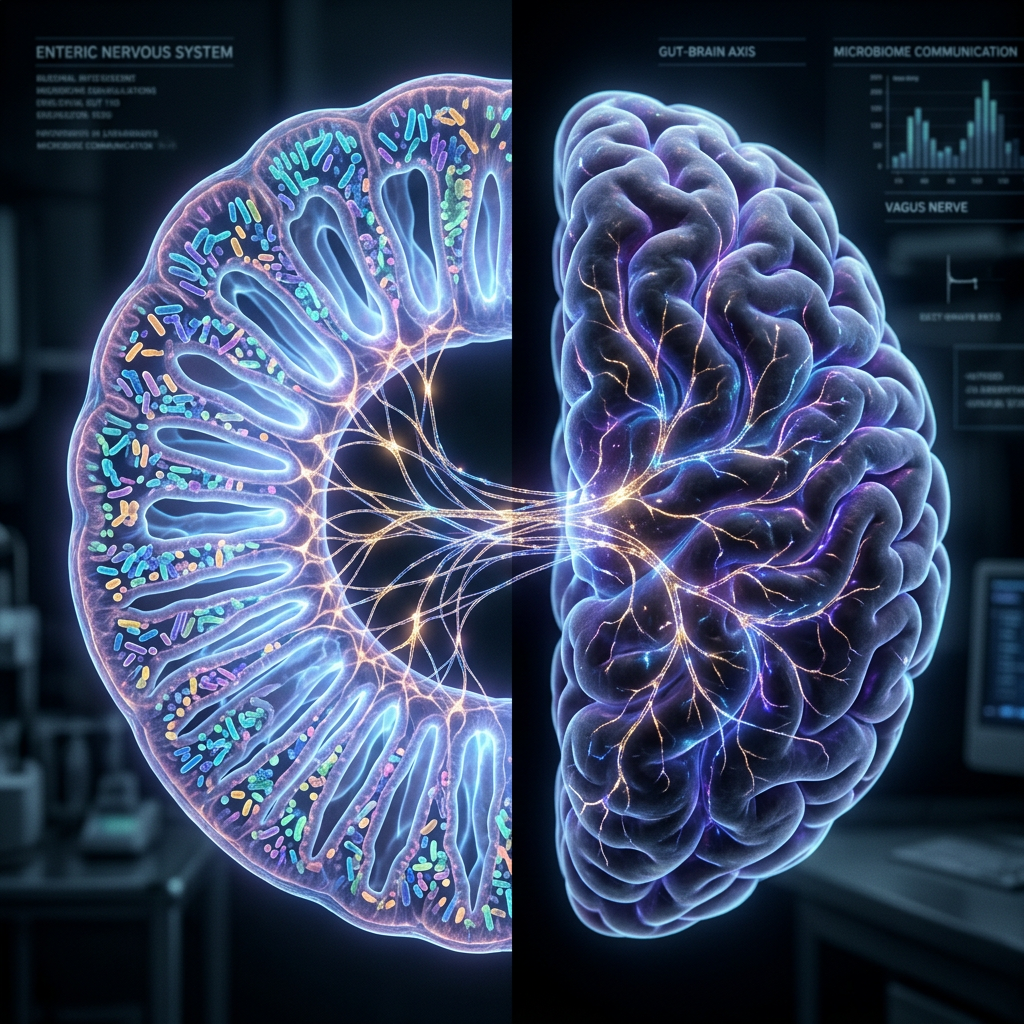
While most people think of the brain as the sole command center for mood and cognition, your gut operates as a “second brain” that directly influences mental health. As a naturopathic and functional medicine doctor at Soleil Holistic, I focus on the gut-brain axis and mental health whenever patients present with anxiety, brain fog, or mood swings alongside digestive issues.
The enteric nervous system (ENS) contains millions of neurons that communicate bidirectionally with your central nervous system, creating a powerful gut-brain connection. Your vagus nerve functions as the primary communication highway, transmitting signals that affect emotional states, hunger, and fatigue levels.
When you understand this pathway, you’re better equipped to see why gut-brain axis functional medicine protocols, which address digestion, inflammation, stress, and microbiome balance together, can be so effective for mood disorders. Research confirms that disruptions in this communication system contribute to anxiety, depression, and even neurodegenerative conditions. By recognizing the gut’s role in mental health, you can adopt evidence-based strategies for improved psychological well-being rooted in the gut-brain axis and mental health relationship.
How Gut Bacteria Influence Neurotransmitter Production
Because your gut microbiome directly manufactures and modulates vital neurotransmitters, it functions as a biochemical factory that shapes your mental state. Your intestinal bacteria synthesize approximately 90% of your body’s serotonin, the neurotransmitter fundamental for mood regulation. Specific bacterial strains also produce GABA, which helps manage anxiety responses.
From a Soleil Holistic perspective, this is exactly where gut-brain axis functional medicine protocols begin: supporting the microbiome so it can produce the neurotransmitters your brain relies on. When dysbiosis (an imbalance of gut bacteria) disrupts neurotransmitter production, it contributes to depression and anxiety disorders, reinforcing the tight link between the gut-brain axis and mental health.
The Link Between Gut Health and Mental Health Conditions
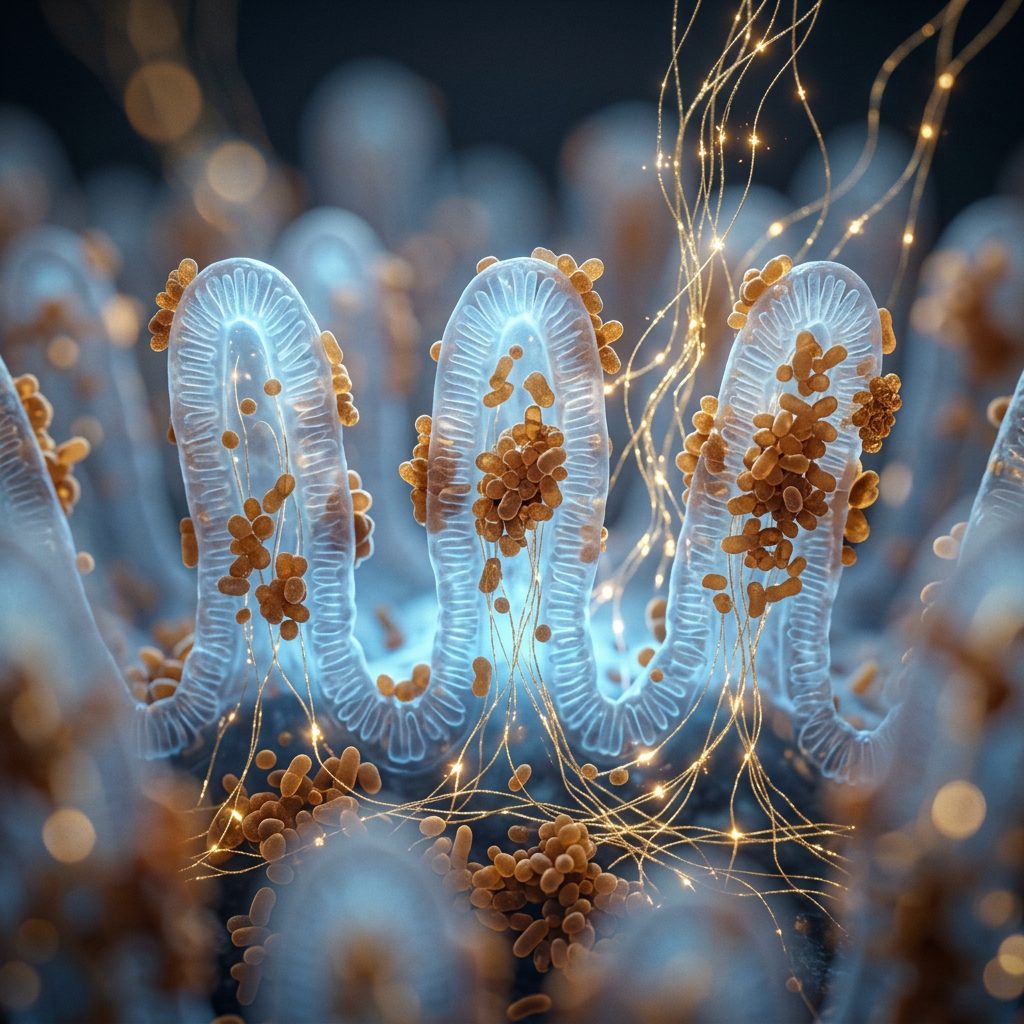
Given the gut’s role as a primary neurotransmitter production site, it’s unsurprising that gastrointestinal dysfunction correlates strongly with mental health conditions. Research demonstrates that individuals with IBS and Crohn’s disease experience markedly higher rates of anxiety and depression. This gut-brain axis and mental health connection works bidirectionally. When you’re stressed, your microbiome composition shifts, reducing beneficial bacteria populations that support emotional regulation.
You’ll find that compromised gut health and mental health exist in a cyclical relationship. Diminished microbial diversity triggers inflammatory responses that affect brain chemistry, while psychological distress further disrupts digestive function. Studies confirm that patients with greater microbiome diversity demonstrate improved mental health outcomes.
At Soleil Holistic, I translate this science into practical gut-brain axis functional medicine protocols that target both gastrointestinal and psychological wellness simultaneously. By addressing inflammation, diet, stress regulation, and microbiome balance together, we can often shift both digestive symptoms and mood patterns more effectively than treating them in isolation.
Foods That Support a Healthy Microbiome
Through targeted dietary choices, you can directly influence your microbiome’s composition and support an ideal gut-brain axis and mental health communication. Research demonstrates that consuming at least 30 different plant foods weekly greatly enhances microbial diversity, strengthening the connection between gut health and mental health.
Probiotic foods serve as vital tools in your dietary arsenal. Yogurt, kefir, kimchi, and sauerkraut introduce beneficial bacteria directly into your digestive system, positively influencing mood regulation and emotional stability.
Don’t overlook prebiotic-rich options like asparagus, bananas, and garlic; these foods nourish your existing beneficial bacteria. A fiber-rich diet incorporating whole grains, fruits, and vegetables provides the foundation your microbiome needs to flourish. In my gut-brain axis functional medicine protocols at Soleil Holistic, these food strategies are often the first step, giving your microbiome the raw materials it needs to support your emotional well-being.
Practical Ways to Strengthen Your Gut-Brain Connection

In addition to selecting the right foods, you’ll need to implement consistent lifestyle practices that optimize your gut-brain connection. Research demonstrates that gut health and mental health share bidirectional pathways, meaning your daily habits directly influence both systems.
Probiotics are live bacteria found in fermented foods like yogurt, kimchi, and sauerkraut. Consuming these daily increases beneficial gut microbes that produce mood-regulating neurotransmitters. You should also prioritize prebiotic-rich foods, such as asparagus, bananas, and garlic, to nourish existing healthy bacteria.
Regular physical activity enhances gut motility and triggers endorphin release, reducing stress levels among those you serve. Simultaneously, minimize processed foods, saturated fats, and added sugars to maintain microbial balance. Aim for 30 different plant foods weekly to cultivate diversity and strengthen the foundation for improved psychological well-being.
Frequently Asked Questions
Can Antibiotics Permanently Damage the Gut-Brain Connection and Cause Lasting Mental Health Issues?
Ironically, antibiotics designed to heal can disrupt your gut microbiome, potentially affecting neurotransmitter production and mental health. However, you can restore balance through high-fiber and fermented foods, supporting lasting gut-brain wellness for those you serve.
How Long Does It Take to Notice Mental Health Improvements After Changing Gut Habits?
You’ll typically notice mental health improvements within 2-4 weeks of changing gut habits. Consistent consumption of high-fiber and fermented foods helps restore microbial diversity, supporting neurotransmitter production that positively influences your mood and emotional resilience.
Are Probiotic Supplements as Effective as Natural Food Sources for Mental Health Benefits?
While probiotic supplements offer convenience, you’ll find natural food sources like yogurt, kefir, and sauerkraut provide superior benefits. These foods deliver diverse bacterial strains plus fiber and nutrients that supplements can’t replicate for ideal gut-brain health.
Can Gut Microbiome Testing Accurately Predict Someone’s Risk for Depression or Anxiety?
Current gut microbiome testing can’t reliably predict your depression or anxiety risk. Like reading one chapter doesn’t reveal a book’s ending, bacterial snapshots don’t capture the fluid gut-brain interactions you’re supporting in those you serve.
Does the Gut-Brain Connection Work Differently in Children Compared to Adults?
Yes, children’s gut-brain connection develops flexibly as their microbiome matures. You’ll find their gut bacteria establish vital neural pathways during early development, making pediatric microbiome support indispensable for lifelong mental health outcomes in those you serve.
Conclusion
Your gut microbiome isn’t just digesting food, it’s actively shaping your mental health. Consider Sarah, a 34-year-old Soleil Holistic patient who reduced her anxiety symptoms by roughly 40% after incorporating fermented foods, fiber-rich vegetables, and stress-modulating practices into her routine for eight weeks as part of a personalized gut-brain axis functional medicine protocol.
By prioritizing prebiotic and probiotic-rich foods, nervous-system regulation, and microbiome-friendly habits, you’re directly supporting neurotransmitter production and vagal nerve communication. When we honor the gut-brain axis and mental health connection, we open an entirely new pathway to emotional resilience.