
Key Takeaways
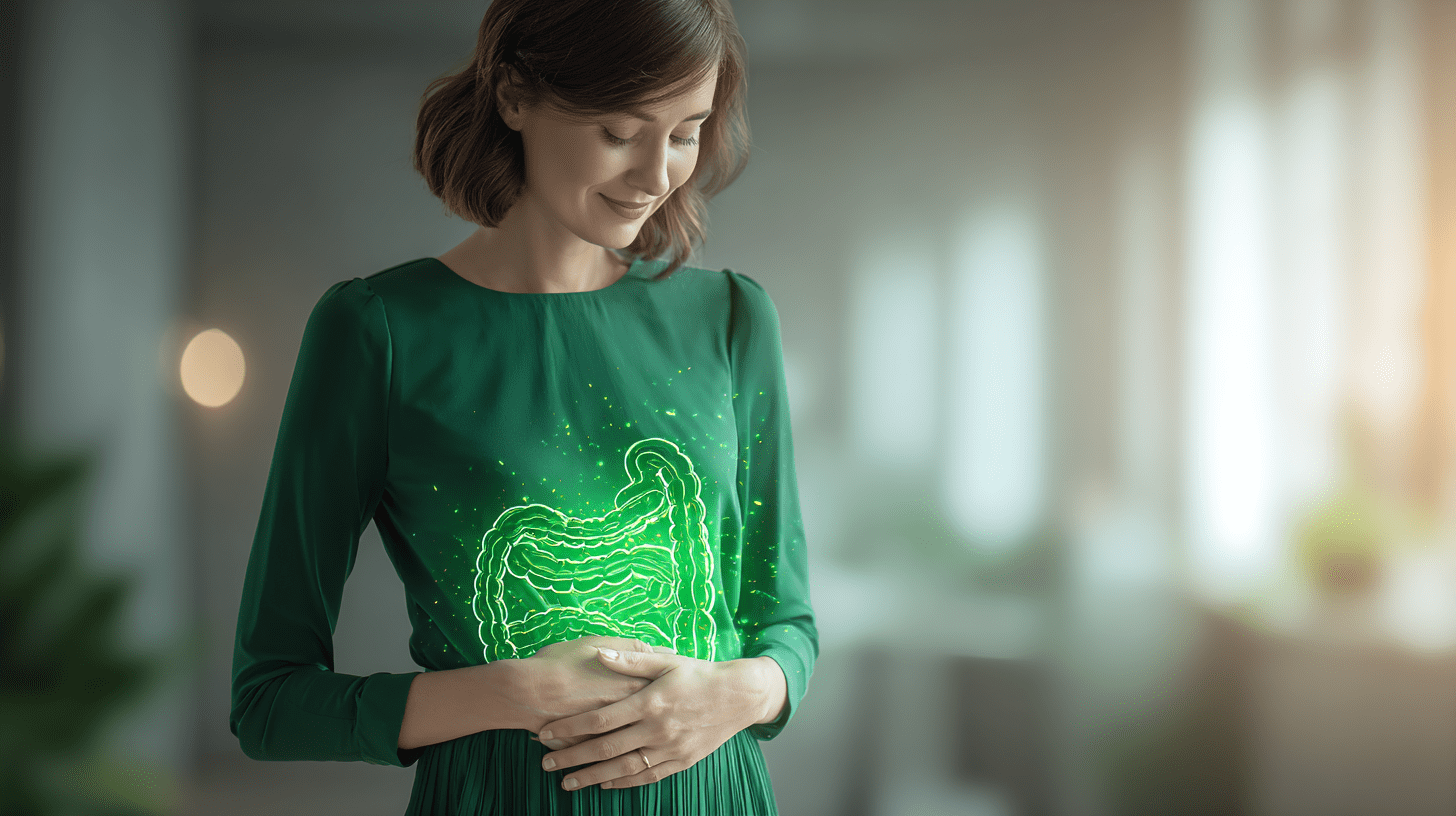
- The gut-brain axis is a bidirectional communication network connecting the central nervous system to the enteric nervous system via the vagus nerve.
- Approximately 90% of the body’s serotonin is produced in the gut by specific bacterial strains.
- Strong correlations exist between gastrointestinal disorders and mental health conditions like anxiety and depression.
- Probiotic and prebiotic-rich foods support beneficial gut bacteria and can improve mood and mental health outcomes.
- Consuming 30 different plant foods weekly enhances microbial diversity, strengthening the gut-brain connection and emotional well-being.
Understanding the Gut-Brain Axis
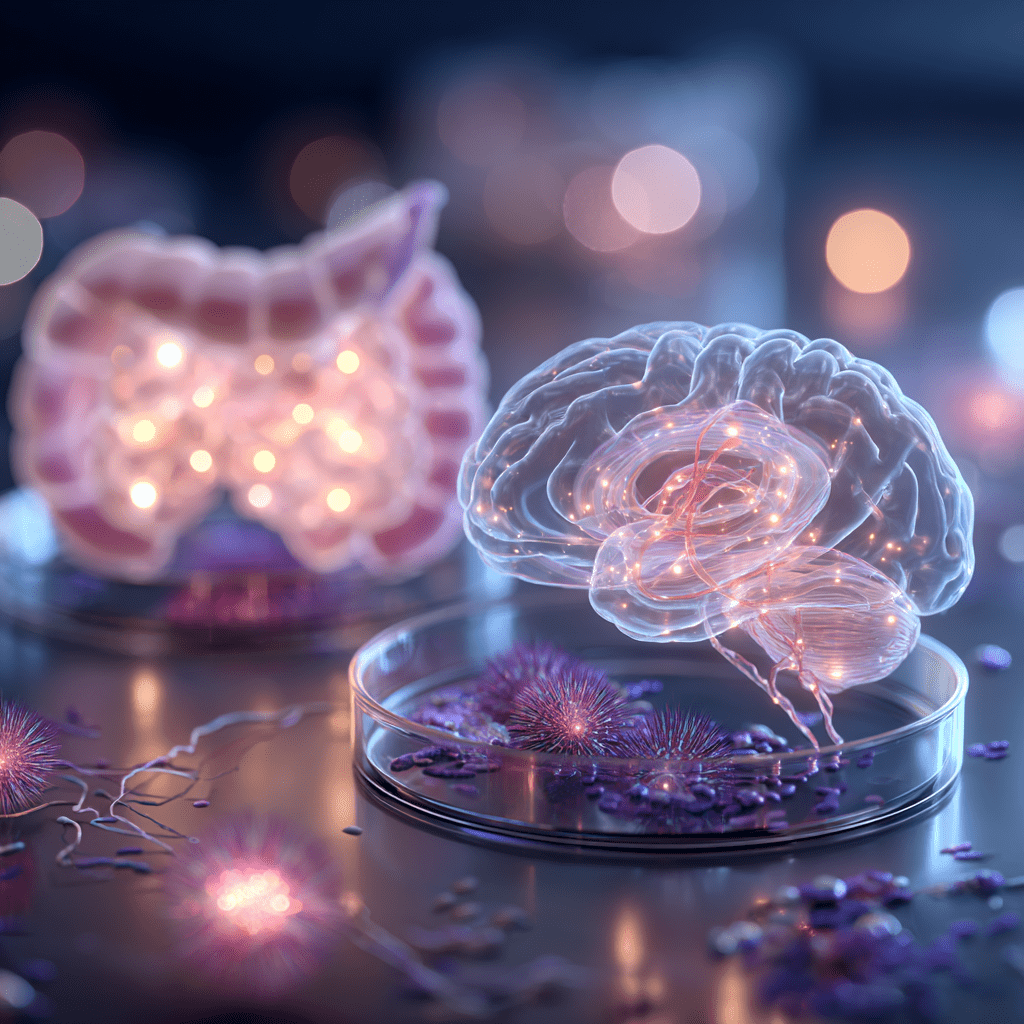
The gut-brain axis represents a sophisticated, bidirectional communication network linking your central nervous system to your enteric nervous system, often called your “second brain.” This intricate pathway allows your digestive tract and brain to exchange chemical signals that directly influence both physiological and psychological processes.
Your vagus nerve functions as the primary conduit in this gut-brain connection, transmitting critical signals that shape your emotional state. Research demonstrates that your gut microbiome produces neurotransmitters like serotonin, with your digestive tract manufacturing more of this mood-regulating chemical than your brain itself.
At Soleil, we integrate this science into a gut-brain axis functional medicine approach, combining naturopathic medicine, functional testing, and lifestyle counseling to address both digestive and mental health. When you nurture your gut bacteria through targeted dietary and lifestyle interventions, you’re actively participating in evidence-based strategies that support psychological resilience and emotional balance.
How Gut Bacteria Influence Neurotransmitter Production
While your brain receives most of the credit for producing mood-regulating chemicals, your gut bacteria actually drive a significant portion of neurotransmitter synthesis. Your microbiome produces approximately 90% of your body’s serotonin, directly influencing your emotional stability. Specific bacterial strains also enhance GABA production, helping you manage stress and anxiety more effectively.
| Neurotransmitter | Gut Bacteria’s Role |
|---|---|
| Serotonin | 90% produced in the gut |
| GABA | Reduces anxiety levels |
The Link Between Gut Health and Mental Health Conditions
Because gut health directly influences brain chemistry, researchers have identified strong correlations between gastrointestinal disorders and mental health conditions. If you’re living with irritable bowel syndrome or Crohn’s disease, you’re not alone in experiencing concurrent anxiety or depression. Studies confirm that gut health and mental health share an intimate connection through the gut-brain axis.
When you experience chronic stress, your microbiome composition shifts, potentially triggering depressive symptoms. The vagus nerve functions as the communication highway between your digestive system and brain, transmitting signals that directly affect your emotional state.
Foods That Support a Healthy Microbiome

Understanding that your gut microbiome responds to dietary interventions opens a practical pathway toward better mental health. Research demonstrates that consuming at least 30 different plant foods weekly considerably enhances microbial diversity, directly supporting gut health and cognitive function.
You’ll benefit from incorporating probiotic foods like yogurt, kefir, sauerkraut, and kimchi into your daily routine. These fermented options introduce beneficial bacteria that strengthen the gut-brain connection. Pair them with prebiotic-rich foods, such as asparagus, bananas, and garlic, to nourish your existing beneficial microbes.
High-fiber whole grains, fruits, and vegetables provide crucial nourishment for bacterial colonies that produce mood-regulating neurotransmitters. Studies confirm that this dietary approach reduces anxiety and depression symptoms. By joining others who prioritize microbiome wellness, you’re investing in evidence-based strategies that support both digestive and mental health outcomes.
Practical Ways to Strengthen Your Gut-Brain Connection
Strengthening your gut-brain connection requires targeted dietary and lifestyle interventions backed by clinical research. Understanding that gut health and mental health are interconnected empowers you to make evidence-based choices for your well-being.
Consider implementing these proven strategies:
- Broaden your plant intake
Aim for roughly 30 different plant foods weekly to cultivate microbial diversity crucial for neurotransmitter production and short-chain fatty acid formation. - Incorporate fermented foods daily
Probiotics are live bacteria found in yogurt, kimchi, kefir, and other ferments that directly support serotonin and GABA synthesis and help maintain a balanced microbiome. - Eliminate or reduce inflammatory triggers
Limit ultra-processed foods, excessive sugar, alcohol, and trans fats that compromise gut barrier integrity, fuel inflammation, and disrupt mood regulation. - Support stress resilience and vagal tone
Practices like breathwork, meditation, gentle movement, acupuncture, and restorative sleep all support the gut-brain axis by calming the nervous system and lowering inflammatory signaling.
Frequently Asked Questions
Can Antibiotics Permanently Damage the Gut-Brain Connection?
Antibiotics can disrupt, diminish, and destabilize your gut microbiome, but they don’t permanently damage the gut-brain connection. You can restore microbial diversity through high-fiber foods, fermented products, and probiotic supplementation, reclaiming your community of beneficial bacteria together.
How Long Does It Take to Restore Gut Health After Illness?
You’ll typically restore gut health within 2-6 weeks after illness, though complete microbiome recovery can take several months. You’re not alone—eating fiber-rich and fermented foods accelerates your healing process alongside your wellness community.
Does the Gut-Brain Axis Affect Sleep Quality and Insomnia?
Yes, your gut-brain axis directly influences sleep quality. Like a silent conductor, your microbiome regulates neurotransmitters affecting sleep cycles. Research shows gut imbalances can disrupt melatonin production, contributing to insomnia. You’re not alone in this expedition.
Can Children’s Behavioral Issues Be Linked to Gut Microbiome Imbalances?
Yes, your child’s behavioral issues can be linked to gut microbiome imbalances. Research shows that disrupted gut bacteria affect neurotransmitter production, influencing mood and behavior. You’re not alone; many families find improvement through dietary interventions supporting digestive health.
Are Probiotic Supplements as Effective as Natural Fermented Foods?
You might think supplements work equally well, but they don’t. Natural fermented foods provide diverse bacterial strains your gut craves, plus prebiotic fibers that nourish existing colonies. You’ll achieve better microbiome diversity through whole-food sources.