
Herbal Medicine for Perimenopause: TCM Solutions
You’re likely experiencing perimenopause if you’re facing irregular cycles, hot flashes, or unexplained mood shifts between the ages 40-55. While conventional medicine often defaults to hormone therapy, Soleil offers TCM herbal medicine for perimenopause as an evidence-based alternative that’s been refined over millennia. TCM practitioners view your symptoms as manifestations of specific imbalances, particularly disruptions in Yin, Yang, Qi, and Blood, that can be systematically addressed through targeted herbal formulations and personalized protocols.
Key Takeaways
- TCM treats perimenopause by balancing Yin-Yang and Qi, addressing root hormonal imbalances rather than suppressing symptoms.
- Key herbs include Dang Gui for blood nourishment, Black Cohosh for hot flashes, and Rehmannia for night sweats.
- Proven formulas like Er Xian Tang and Xiao Yao San effectively reduce hot flashes and stabilize mood swings.
- AHPRA-registered practitioners create personalized treatment plans using pulse and tongue diagnosis to target specific symptom patterns.
- Herbal remedies may interact with medications; qualified practitioners ensure safe protocols and monitor treatment effectiveness continuously.
Understanding Perimenopause and Its Impact on Women’s Health
Perimenopause marks a critical neuroendocrine change that typically begins around age 35, though significant stressors can trigger symptoms as early as the twenties. This shifting phase involves fluctuating hormone levels that can persist for months or even years before menstruation ceases completely.
You’ll likely experience menopausal symptoms, including hot flashes, night sweats, mood swings, and irregular cycles as your endocrine system recalibrates. Stress intensifies these manifestations, creating a compounding effect on your overall well-being that demands clinical attention.
Understanding these physiological changes empowers you to seek appropriate interventions early. TCM practitioners recognize perimenopause as an imbalance in Yin-Yang interactions and depleted Qi, offering a framework that addresses root causes rather than merely suppressing symptoms. Herbal medicine provides targeted support during this shift, working synergistically with your body’s natural processes to restore hormonal equilibrium and mitigate disruptive symptoms that impact your daily functioning and quality of life.
The Role of Traditional Chinese Medicine in Managing Perimenopause
Traditional Chinese Medicine conceptualizes the perimenopausal shift through the lens of energetic dysregulation, specifically, the depletion of Kidney Yin and the stagnation of Liver Qi, making TCM herbal medicine for perimenopause a targeted solution. This framework explains why you’ll experience hot flashes, night sweats, insomnia, and mood disturbances during this change.
TCM’s approach to restoring hormonal balance relies on herbal medicine formulations tailored to your specific presentation. Dang Gui nourishes blood and regulates menstruation, while Black Cohosh (Sheng Ma) addresses vasomotor symptoms of menopause. Rehmannia supports Kidney energy restoration, targeting the root cause of hormonal fluctuations.
Acupuncture complements herbal protocols by regulating Qi flow and enhancing your body’s self-regulatory mechanisms. Clinical evidence demonstrates that combining traditional Chinese medicine modalities considerably reduces symptom severity and improves quality of life. This integrative strategy addresses both symptomatic relief and underlying energetic imbalances, offering you a thorough pathway through perimenopause without relying solely on conventional hormone replacement.
Key TCM Principles: Balancing Yin, Yang, Qi, and Blood
Your body’s fundamental energetic architecture operates through four interdependent systems: Yin, Yang, Qi, and Blood. During perimenopause, hormonal fluctuations typically manifest as Yin deficiency, creating excess Yang that produces hot flashes, night sweats, and insomnia. When Yin and Yang energies fall out of balance, your body struggles to regulate temperature and maintain emotional equilibrium.
Qi (vital energy) must flow unobstructed throughout your meridian pathways. Stagnation causes irritability, emotional distress, and physical discomfort, commonly experienced during this change. Meanwhile, blood nourishment supports your mental clarity and physical stamina; deficiencies result in fatigue, mood swings, and menstrual irregularities.
At Soleil, TCM practitioners assess these four elements collectively rather than treating isolated symptoms. This diagnostic approach identifies root imbalances driving your perimenopausal symptoms. Personalized herbal formulas then restore equilibrium by tonifying deficient elements and moving stagnant ones, supporting long-term wellness rather than providing temporary symptom relief. This foundational understanding directs effective, individualized treatment strategies throughout your menopausal change.
Common Perimenopause Symptoms Addressed by Herbal Medicine
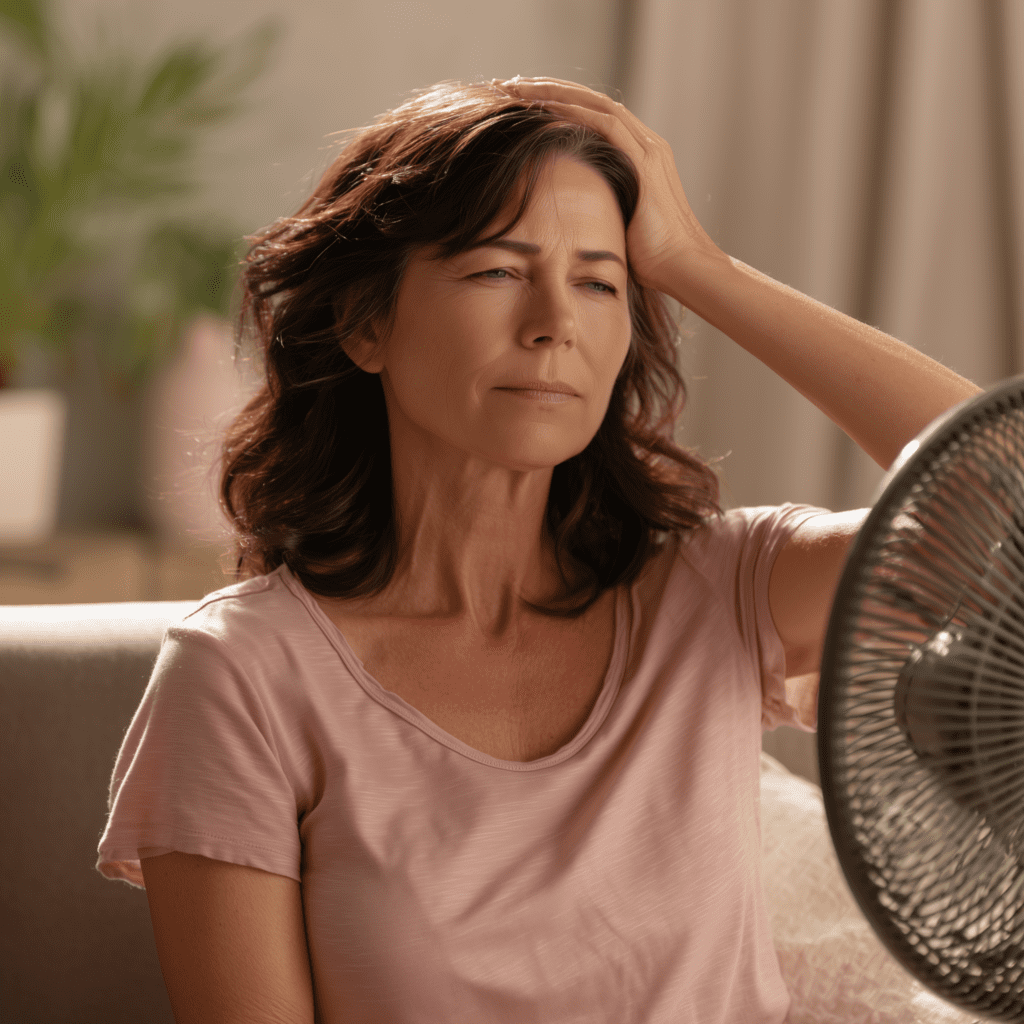
While traversing perimenopause, you’ll likely encounter a constellation of symptoms that disrupt daily functioning. Hot flashes, night sweats, insomnia, mood volatility, and fatigue represent the most prevalent complaints. Traditional Chinese Medicine (TCM) addresses these manifestations through targeted herbal formulas that nourish Kidney Yin and support hormonal balance at a foundational level.
Dong Quai and Black Cohosh effectively mitigate mood swings and irritability, offering evidence-based alternatives to conventional interventions. For sleep disturbances, TCM practitioners prescribe combinations that calm Shen (spirit) and improve sleep quality, with research demonstrating significant improvements compared to untreated groups. Rehmannia addresses perimenopausal fatigue by tonifying Blood and restoring depleted energy reserves.
Symptoms like vaginal dryness and diminished libido respond to Yin-nourishing herbs that counteract hormonal fluctuations. By selecting herbal formulas matched to your specific symptom presentation, TCM creates individualized treatment protocols that enhance overall quality of life during this changing phase.
Essential Chinese Herbs for Perimenopause Relief
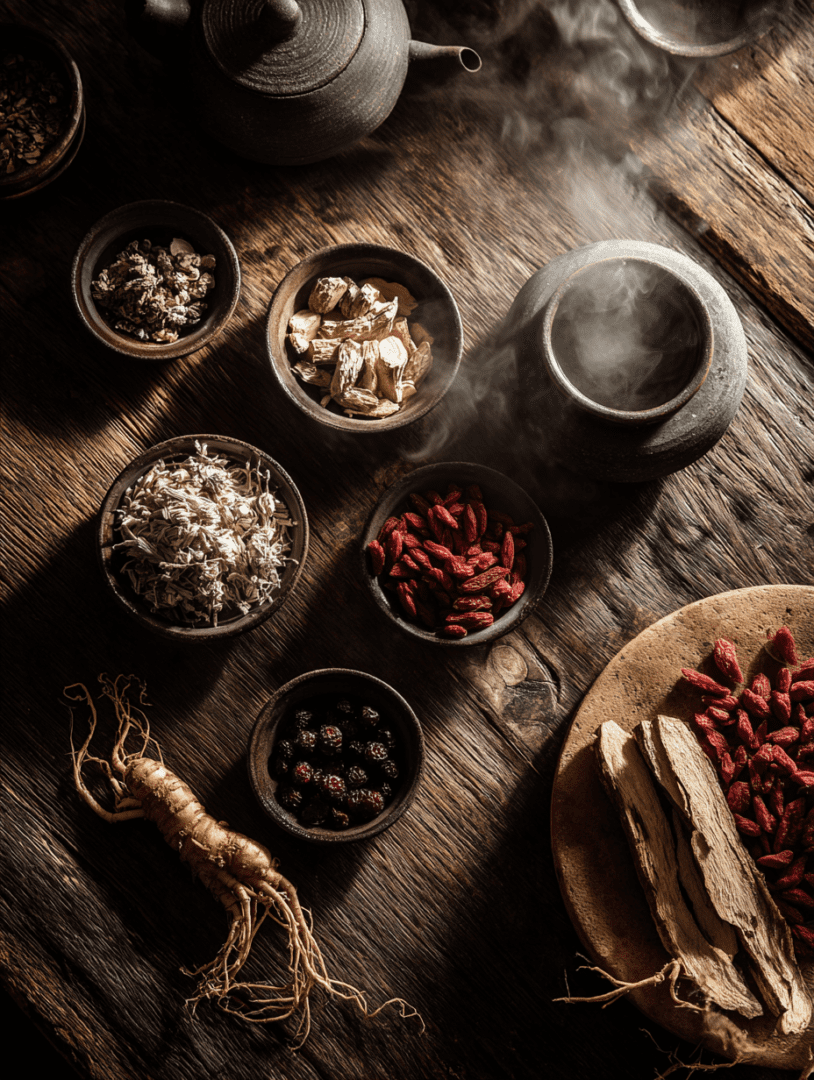
As hormonal shifts intensify during perimenopause, specific Chinese herbs demonstrate remarkable efficacy in restoring physiological balance through distinct therapeutic mechanisms.
Traditional Chinese medicine offers targeted botanical interventions that address perimenopausal dysregulation:
- Dang Gui (Angelica sinensis) nourishes blood deficiency, effectively managing irregular menstruation and fatigue while promoting circulation
- Black Cohosh (Sheng Ma) modulates hormonal fluctuations to reduce hot flashes and stabilize mood variations
- Rehmannia (Sheng Di Huang) replenishes kidney yin, directly targeting night sweats and mucosal dryness
- Bupleurum (Chai Hu) facilitates liver qi circulation, alleviating irritability and emotional instability
These herbal constituents function synergistically within customized formulas, addressing your unique symptom presentation rather than applying generalized protocols. Clinical evidence confirms that individualized Chinese herbal medicine considerably improves quality-of-life metrics during the menopausal transition. You’ll benefit most when working with qualified practitioners who adjust formulations to your evolving hormonal environment, ensuring optimal therapeutic outcomes throughout perimenopause.
Proven Herbal Formulas for Hot Flashes and Night Sweats
Hot flashes and night sweats respond exceptionally well to targeted TCM formulations that address underlying energetic imbalances rather than merely suppressing symptoms. Traditional Chinese Medicine employs specific herbal formulas like Er Xian Tang, which replenishes kidney Yin and Yang while clearing deficiency fire, the root cause of vasomotor disturbances. Geng Nian An 1 targets excessive liver Yang commonly associated with menopausal hot flashes.
Clinical evidence demonstrates that women using these herbal formulas experience significant reductions in both frequency and severity of hot flashes and night sweats. These preparations often incorporate Dang Gui and Black Cohosh to regulate hormonal fluctuations and stabilize mood shifts.
You’ll achieve ideal results through customized remedies tailored to your unique constitutional patterns and symptom presentation. A qualified practitioner assesses your specific energetic imbalances to formulate personalized herbal combinations that restore harmony between Yin and Yang, effectively alleviating vasomotor symptoms while enhancing overall quality of life during perimenopause.
Natural Solutions for Mood Swings and Sleep Disturbances

Aside from physical symptoms like vasomotor disturbances, perimenopausal women frequently encounter debilitating mood swings and sleep disruptions that stem from hormonal imbalances affecting neurotransmitter pathways and circadian rhythms. Traditional Chinese Medicine (TCM) addresses these manifestations through targeted herbal interventions that restore energetic balance and regulate neuroendocrine function.
Chinese herbal formulas effectively modulate emotional stability and sleep architecture:
- Xiao Yao San promotes liver qi flow, alleviating irritability and stress-induced mood swings
- Dang Gui and Bupleurum nourish qi while harmonizing hormonal fluctuations that trigger emotional disturbances
- Acupuncture protocols regulate autonomic nervous system function, enhancing sleep quality and emotional resilience
- Integrated lifestyle modifications, including movement practices and mindfulness, amplify herbal efficacy
Clinical evidence demonstrates that women employing these TCM approaches experience measurable improvements in sleep disturbances and mood stability compared to conventional interventions alone. When you combine herbal medicine with acupuncture, you’re addressing both the symptomatic and constitutional factors driving perimenopausal energy depletion and emotional dysregulation.
Personalized Treatment Plans: Working With a TCM Practitioner

When managing the complexities of perimenopausal symptoms, working with an AHPRA Registered Chinese Medicine Practitioner provides access to individualized diagnostic precision that over-the-counter supplements can’t replicate. These specialists employ traditional Chinese medicine (TCM) techniques like pulse and tongue examination to identify specific imbalances, whether kidney yin deficiency or liver qi stagnation, driving your unique symptom patterns.
This holistic approach creates treatment plans that address hormonal fluctuations with therapeutically appropriate herbal doses, ensuring effectiveness outside standard retail formulations. When you consult with a qualified TCM practitioner, you’ll receive customized herbal formulas targeting your particular constellation of hot flashes, mood disturbances, or sleep disruptions.
The evolving nature of perimenopause requires ongoing adjustments to your protocol. Your practitioner monitors symptom evolution through regular assessments, modifying herbal combinations as your hormonal environment shifts. This personalized collaboration optimizes symptom relief while supporting your body’s natural progression through thorough, root-cause treatment.
Combining Herbal Medicine With Lifestyle Modifications

While herbal formulas address hormonal imbalances at the cellular level, their therapeutic potential amplifies considerably when you incorporate evidence-based lifestyle modifications into your perimenopausal care plan. Chinese herbal medicine works synergistically with behavioral interventions to mitigate hormonal fluctuations and optimize treatment outcomes.
Key modifications to implement alongside your herbal protocol:
- Dietary integration: Incorporate phytoestrogen-rich foods like soy and flaxseeds to support your herbal formula’s hormone-balancing effects
- Movement therapy: Practice yoga or walking regularly to reduce vasomotor symptoms and enhance mood stabilization
- Stress management: employ meditation and deep-breathing techniques to modulate cortisol levels and decrease anxiety
- Sleep hygiene: Establish consistent sleep-wake cycles to complement herbs targeting insomnia and night sweats
At Soleil, our TCM practitioners can calibrate herbal dosages based on your lifestyle adherence, creating a thorough treatment matrix. This integrative approach addresses both symptomatic relief and root-cause resolution, facilitating smoother hormonal changes during perimenopause.
Safety Considerations and Potential Herb Interactions
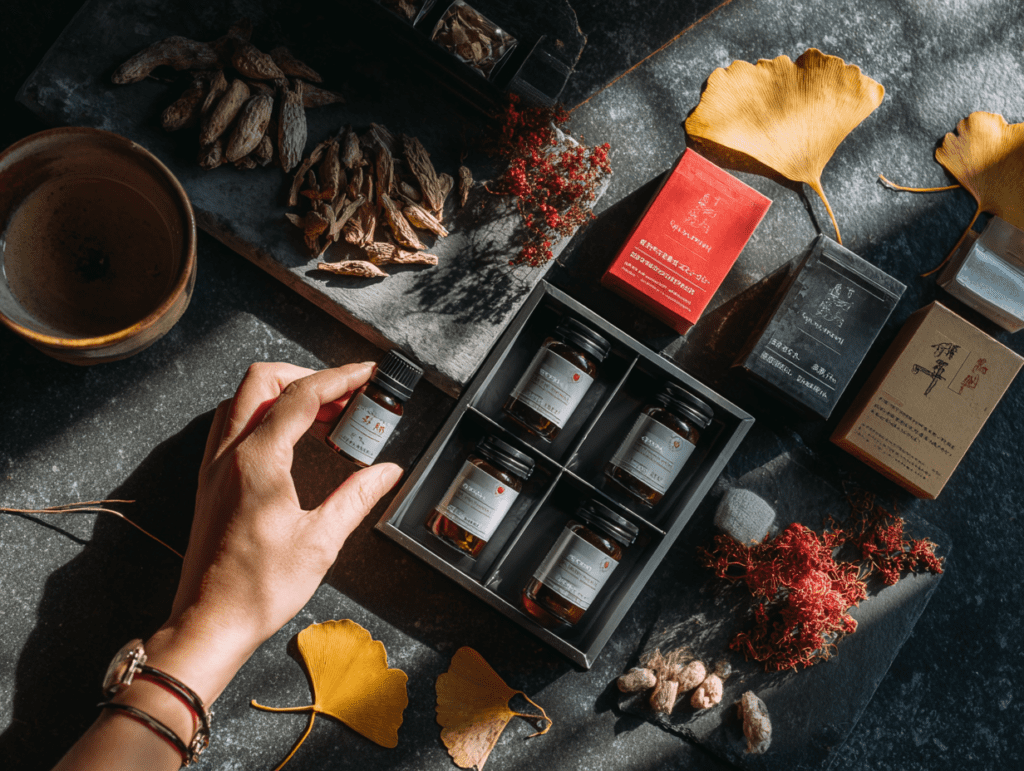
Although herbal medicine demonstrates significant therapeutic potential for perimenopausal symptoms, you’ll need to navigate several critical safety parameters before initiating treatment. Traditional Chinese medicine formulas, while effective, can interact with conventional medications, particularly blood thinners and hormone replacement therapy regimens. You should consult a qualified practitioner before combining TCM herbal medicine for perimenopause with existing pharmaceutical protocols
Black Cohosh and Dong Quai present specific contraindications for individuals on anticoagulant therapy, potentially increasing bleeding risk. If you’re pregnant or lactating, certain herbs require complete avoidance due to safety concerns. You may experience mild digestive side effects, nausea, or diarrhea when beginning herbal supplementation, though these typically resolve quickly.
Quality assurance remains paramount; you’ll want to source formulas from reputable providers, ensuring proper dosing and freedom from contamination. Working with an AHPRA-registered practitioner or licensed TCM specialist guarantees personalized protocols that account for your medical history, current medications, and individual contraindications.
Frequently Asked Questions
Can TCM Help Perimenopause?
Yes, TCM acts as a bridge between imbalance and harmony during your perimenopausal change. Through acupuncture, herbal formulas containing Dang Gui and Rehmannia, and dietary modifications, you’ll experience relief from hot flashes, mood swings, and sleep disturbances. These evidence-based therapies work by nourishing Kidney Yin, tonifying Qi, and regulating hormonal fluctuations at their root cause. You’re not just masking symptoms—you’re supporting your body’s natural transformation through this pivotal life stage.
What Is the Number One Herb for Perimenopause?
Dong Quai (Dang Gui) is TCM’s premier herb for perimenopause, offering potent blood-nourishing and hormone-balancing properties. You’ll benefit from its phytoestrogens, which naturally address hot flashes and mood fluctuations while improving circulation to combat fatigue. Research demonstrates that it reduces the frequency and severity of menstrual irregularities during this change.
What Chinese Herb Is Good for Menopause?
Think of Dang Gui as your body’s hormonal compass, gently recalibrating balance during menopause. You’ll find it nourishes blood and alleviates vasomotor symptoms like hot flashes while stabilizing mood fluctuations. Black Cohosh (Sheng Ma) complements this by reducing thermal dysregulation, and Rehmannia tonifies Kidney Yin to address dryness and fatigue. At Soleil, we offer personalized herbal formulas that target your specific symptom presentation and constitutional needs.
What Is Drew Barrymore Taking for Perimenopause?
Drew Barrymore has reported using herbal supplements aligned with Traditional Chinese Medicine principles to manage her perimenopausal symptoms, emphasizing natural approaches over hormone replacement therapy. While she hasn’t disclosed specific formulations publicly, she’s highlighted combining herbs with lifestyle modifications, including regular exercise and dietary changes, to address hot flashes and mood swings.
Conclusion
Like a compass guiding you through unfamiliar terrain, TCM herbal medicine provides evidence-based direction for steering through perimenopause. You’ll find that integrating these phytotherapeutic interventions with lifestyle modifications addresses hormonal dysregulation at its root. When you’re working with an AHPRA-registered practitioner, you’re ensuring proper herb-drug interaction screening and individualized treatment protocols. You’ll optimize your endocrine function, restore homeostatic balance, and experience sustainable symptom resolution throughout this physiological shift. Evidence supports TCM’s efficacy in managing vasomotor symptoms and mood disturbances effectively.